

How to Streamline Restaurant Operations: A Comprehensive Guide to Efficient Restaurant Accounting
In the bustling world of restaurants, smooth operations are key to success. Owners and managers face countless decisions daily that impact their businesses. Among these, efficient restaurant accounting often takes a backseat, yet it plays a critical role in overall success. This guide delves into practical strategies to streamline restaurant operations by refining accounting processes, ultimately boosting profitability.
Understanding the Importance of Efficient Restaurant Accounting
Efficient restaurant accounting is the backbone of any successful dining establishment. It encompasses tracking income and expenses, managing inventory, labor costs, and supplier relationships. For example, by establishing a clear accounting system that includes monthly tracking of food and labor costs, a restaurant can identify overspending in specific areas, such as a 5% increase in food costs due to waste.
Effective accounting practices offer invaluable insights. They can help owners make informed decisions, enhancing operational efficiency and ultimately improving the bottom line. Studies show that restaurants with robust accounting systems see a 15% increase in profit margins due to better cash flow management and reduced operational costs. Streamlined processes save time, allowing restaurant leaders to focus more on improving the customer experience.
Implementing a Robust POS System
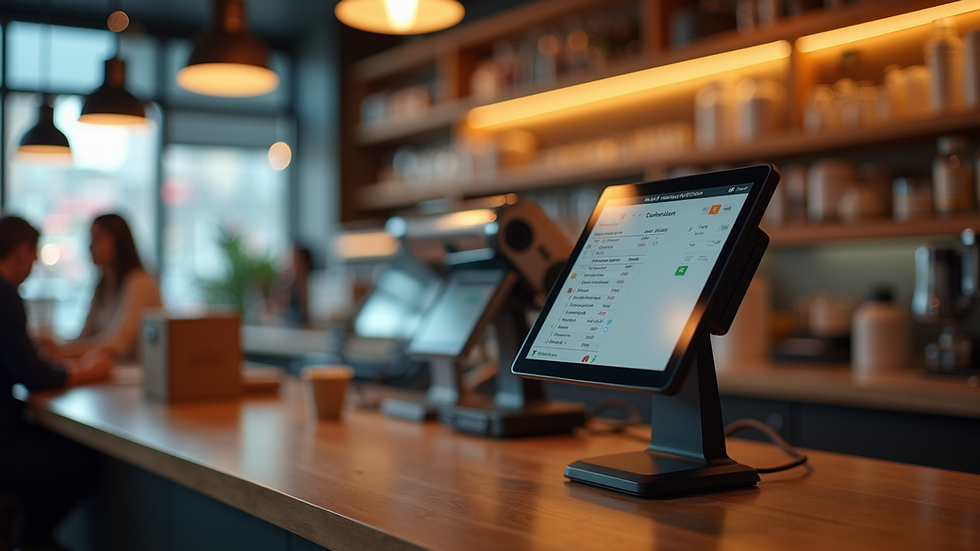
A Point of Sale (POS) system is critical for contemporary restaurant operations. Beyond processing transactions, a sophisticated POS system offers real-time insights into sales, inventory levels, and customer preferences. For instance, utilizing a POS can allow a restaurant to track daily sales trends, revealing peak hours or popular menu items.
By integrating a POS with accounting software, restaurants can minimize data entry errors, leading to more accurate financial reporting. Features such as automated end-of-day reports can save hours of manual work each week. A well-chosen POS system reduces time spent on back-end operations by about 30%, making financial oversight more straightforward.
Embracing Cloud-Based Accounting Solutions
Cloud-based accounting solutions have transformed how restaurants manage their finances. They provide access to real-time financial data from any location, making it easier for owners and managers to monitor the business no matter where they are. Example: A restaurant owner can check sales reports while at a supplier meeting, allowing for informed discussions and timely decisions.
Cloud accounting not only enhances collaboration among team members but also offers automated reporting and analysis features. This aids restaurants in spotting trends, such as a 20% increase in online reservations during the holiday season. It also helps mitigate risks related to data loss since information is securely stored online and regularly backed up.
Regular Financial Reviews and Forecasting
Regular financial reviews are crucial for staying on top of a restaurant's financial health. Monthly evaluations of income statements and cash flow statements can reveal spending patterns and discrepancies. For example, if labor costs continuously exceed 30% of revenue, it may prompt a review of scheduling practices.
Forecasting is equally important. Anticipating financial fluctuations based on seasonality, market trends, and economic conditions can help restaurants avoid pitfalls. By projecting revenues and expenses, owners can proactively adjust operations. For instance, a restaurant that anticipates a slowdown during the winter months can plan marketing strategies or menu changes to boost sales.
Fostering Team Training and Accountability
An adept accounting team is critical to overseeing restaurant finances. Investing in training can enhance staff knowledge of accounting processes and tools. For instance, workshops on using accounting software can boost efficiency by 25%. Creating a culture of accountability empowers staff to share insights and highlight discrepancies more freely.
Encouraging regular financial meetings fosters transparency and ongoing improvements. Teams that discuss performance trends can contribute valuable ideas that impact financial management positively. An informed team leads to better decision-making, ensuring a more streamlined accounting process and stronger overall operations.
In Summary
Streamlining restaurant operations through efficient accounting practices is essential for profitability and sustainability. By investing in a robust POS system, embracing cloud solutions, conducting regular financial reviews, and enhancing team training, restaurant owners can position themselves for long-term success.
These strategies not only improve financial management but also enhance the overall dining experience. With a solid accounting foundation, restaurants can navigate the challenges of a competitive market and foster growth.


Comments